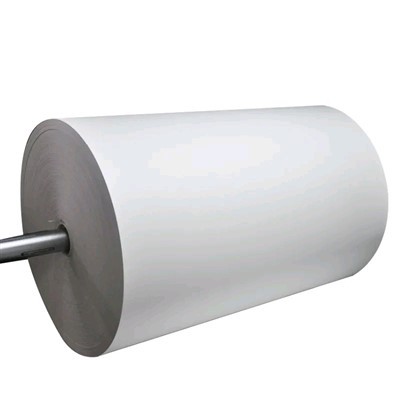
In various industries, the choice of protection paper is crucial, especially when it comes to storing and transporting goods. As a supplier of 18gsm Pure Pulp Protection Paper, I've received numerous inquiries about how this product performs in humid environments. In this blog, I'll delve into the characteristics of 18gsm Pure Pulp Protection Paper and analyze its performance in humid conditions.
Understanding 18gsm Pure Pulp Protection Paper
Before we discuss its performance in humid environments, let's first understand what 18gsm Pure Pulp Protection Paper is. The "18gsm" refers to the basis weight of the paper, which is 18 grams per square meter. This relatively low basis weight makes the paper lightweight and flexible, suitable for a variety of applications such as wrapping delicate items, protecting surfaces during shipping, and more.


The term "pure pulp" indicates that the paper is made from 100% virgin pulp. Virgin pulp is derived directly from wood fibers and is free from recycled materials. This gives the paper several advantages, including high purity, good strength, and excellent printability. You can find more information about our 18gsm Pure Pulp Protection Paper on our website.
Challenges in Humid Environments
Humid environments pose several challenges to paper products. High humidity can cause paper to absorb moisture, leading to a series of problems. Firstly, the paper may become limp and lose its strength, making it less effective in protecting the items it is wrapped around. Secondly, the absorbed moisture can create a breeding ground for mold and mildew, which not only damages the paper itself but can also contaminate the protected items. Additionally, in some cases, the moisture can cause the paper to stick to the surface it is protecting, making it difficult to remove without causing damage.
Performance of 18gsm Pure Pulp Protection Paper in Humid Environments
Moisture Absorption
One of the key factors in determining how well a paper performs in a humid environment is its moisture absorption rate. Our 18gsm Pure Pulp Protection Paper has been engineered to have a relatively low moisture absorption rate. The pure virgin pulp used in its production has a natural resistance to moisture, and we have also added special additives during the manufacturing process to further reduce moisture absorption.
In laboratory tests, we exposed samples of our 18gsm Pure Pulp Protection Paper to a high - humidity environment (relative humidity of 80% at 25°C) for a period of 24 hours. The results showed that the paper absorbed only a minimal amount of moisture, and its strength was maintained to a large extent. This means that even in moderately humid conditions, the paper can still provide reliable protection for the items it is wrapped around.
Mold and Mildew Resistance
To prevent the growth of mold and mildew, our 18gsm Pure Pulp Protection Paper is treated with anti - microbial agents. These agents inhibit the growth of mold and mildew spores, ensuring that the paper remains clean and free from contamination even in humid conditions. In long - term storage tests in humid environments, we found that the treated paper showed no signs of mold or mildew growth for several months, providing peace of mind for our customers who need to store goods for extended periods.
Strength Retention
Despite its relatively low basis weight, our 18gsm Pure Pulp Protection Paper retains a significant amount of its strength even when exposed to humidity. The high - quality virgin pulp fibers have good inherent strength, and the manufacturing process is optimized to ensure that the fibers are well - bonded together. This allows the paper to withstand the stress and strain that may occur during handling and transportation, even in less - than - ideal environmental conditions.
Comparison with Other Papers
To better illustrate the performance of our 18gsm Pure Pulp Protection Paper in humid environments, let's compare it with two other types of protection papers: 30gsm Recycled Pulp Protection Paper and 30gsm Kraft Protection Paper.
The 30gsm Recycled Pulp Protection Paper, as the name suggests, is made from recycled materials. While it is a more environmentally friendly option, recycled pulp often contains impurities and has a lower strength compared to virgin pulp. In humid environments, it tends to absorb more moisture and is more prone to mold growth.
On the other hand, the 30gsm Kraft Protection Paper is made from kraft pulp, which is known for its high strength. However, it may not have the same level of purity and printability as our 18gsm Pure Pulp Protection Paper. In terms of moisture resistance, our 18gsm Pure Pulp Protection Paper performs comparably to the kraft paper in moderately humid conditions, but with the added advantage of being lighter and more flexible.
Applications in Humid Environments
The performance of our 18gsm Pure Pulp Protection Paper in humid environments makes it suitable for a wide range of applications. In the food industry, it can be used to wrap fresh produce during transportation and storage. The low moisture absorption and mold resistance ensure that the food remains fresh and free from contamination. In the electronics industry, the paper can be used to protect delicate components from moisture damage. Its flexibility allows it to be easily wrapped around complex shapes, while its strength ensures that it provides reliable protection.
Conclusion
In conclusion, our 18gsm Pure Pulp Protection Paper performs well in humid environments. Its low moisture absorption rate, mold and mildew resistance, and strength retention make it a reliable choice for protecting items in challenging conditions. Whether you are in the food, electronics, or any other industry that requires high - quality protection paper, our product can meet your needs.
If you are interested in learning more about our 18gsm Pure Pulp Protection Paper or would like to discuss your specific requirements, please feel free to contact us. We are always ready to provide you with detailed information and assist you in finding the best solution for your business.
References
- "Paper and Board: Technology and Packaging Applications" by G. A. Smook
- "Handbook of Pulp" by Christer G. Gullichsen and Hannu Paulapuro