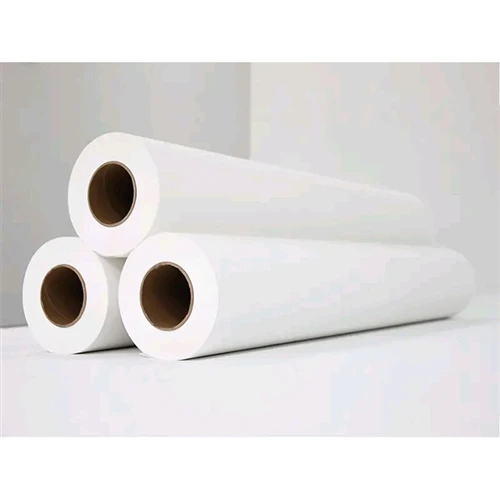
As a supplier of 90gsm Fast Dry Sublimation Paper, I often get asked about the ink transfer rate of our product. The ink transfer rate is a critical factor in sublimation printing, as it directly affects the quality and vibrancy of the final printed image. In this blog post, I'll delve into what the ink transfer rate of 90gsm Fast Dry Sublimation Paper is, how it's measured, and why it matters.
Understanding the Basics of Sublimation Printing
Before we discuss the ink transfer rate, it's essential to understand the sublimation printing process. Sublimation printing involves using heat and pressure to transfer a solid dye into a gas state without passing through the liquid state. This gas then permeates the fibers of a substrate, such as polyester fabric or coated hard surfaces, creating a permanent and vivid image.
The sublimation paper plays a crucial role in this process. It acts as a carrier for the ink, holding it until the heat and pressure cause the ink to sublimate and transfer onto the substrate. The efficiency of this transfer is determined by the ink transfer rate.
What is the Ink Transfer Rate?
The ink transfer rate refers to the percentage of ink that successfully transfers from the sublimation paper to the substrate during the printing process. A higher ink transfer rate means that more of the ink on the paper will end up on the substrate, resulting in a more vibrant, detailed, and long - lasting print.
For 90gsm Fast Dry Sublimation Paper, the ink transfer rate can vary depending on several factors, including the quality of the paper, the type of ink used, the printing equipment, and the sublimation conditions (such as temperature, pressure, and time). On average, our 90gsm Fast Dry Sublimation Paper has an ink transfer rate of around 90 - 95%. This high rate is achieved through a combination of advanced paper manufacturing techniques and a specially formulated coating.
Measuring the Ink Transfer Rate
Measuring the ink transfer rate is a scientific process. One common method is to weigh the sublimation paper before and after printing and then weigh the substrate before and after the sublimation process. By comparing the changes in weight, we can calculate the amount of ink that has been transferred.
Another method involves using spectrophotometers to analyze the color density of the ink on the paper and the substrate. This method provides a more accurate and detailed analysis of the ink transfer, as it can measure the specific wavelengths of light absorbed by the ink, which is related to its color and concentration.


Factors Affecting the Ink Transfer Rate of 90gsm Fast Dry Sublimation Paper
Paper Quality
The quality of the sublimation paper is a significant factor in determining the ink transfer rate. Our 90gsm Fast Dry Sublimation Paper is made from high - quality raw materials and features a uniform and smooth surface. This uniformity allows the ink to spread evenly on the paper, ensuring consistent transfer. Additionally, the coating on our paper is designed to hold the ink securely until the sublimation process, preventing ink bleed and maximizing transfer efficiency.
Ink Type
The type of ink used also affects the ink transfer rate. Different inks have different chemical compositions, which can impact their sublimation properties. Our 90gsm Fast Dry Sublimation Paper is compatible with a wide range of sublimation inks, but using high - quality inks specifically formulated for sublimation printing will generally result in a higher ink transfer rate. Inks that are too thick or too thin may not transfer as effectively, so it's important to choose the right ink for your needs.
Printing Equipment
The quality and settings of your printing equipment play a crucial role in the ink transfer rate. A high - resolution printer with accurate inkjet nozzles will deposit the ink more precisely on the paper, increasing the chances of successful transfer. Additionally, the sublimation press used for the transfer process must be able to provide consistent heat and pressure. Uneven heat or pressure can lead to inconsistent ink transfer, resulting in blotchy or faded prints.
Sublimation Conditions
The temperature, pressure, and time used during the sublimation process are critical for achieving a high ink transfer rate. Each substrate and ink combination has an optimal set of sublimation conditions. For our 90gsm Fast Dry Sublimation Paper, the recommended temperature range is typically between 180°C - 200°C, with a pressure of around 4 - 6 psi and a transfer time of 20 - 30 seconds. Deviating too far from these optimal conditions can reduce the ink transfer rate and affect the quality of the final print.
Why the Ink Transfer Rate Matters
A high ink transfer rate is essential for several reasons. Firstly, it results in more vibrant and detailed prints. When more ink is transferred to the substrate, the colors appear richer, and the fine details of the image are more clearly defined. This is particularly important for applications such as printing photographs, artwork, or marketing materials, where the quality of the print can significantly impact its effectiveness.
Secondly, a high ink transfer rate means less waste. Since more of the ink on the paper is transferred to the substrate, there is less ink left on the paper after the sublimation process. This not only reduces the cost of ink over time but also has environmental benefits by minimizing the amount of wasted ink.
Finally, a consistent ink transfer rate ensures the reliability of the sublimation printing process. When you know that your sublimation paper has a high and consistent ink transfer rate, you can expect consistent results from print to print, which is crucial for businesses that rely on high - quality and reproducible prints.
Comparing with Other Sublimation Papers
We also offer a range of other sublimation papers, such as 63gsm Fast Dry Sublimation Paper, 55gsm Fast Dry Sublimation Paper, 120gsm Fast Dry Sublimation Paper, 75gsm Fast Dry Sublimation Paper, and 80gsm Fast Dry Sublimation Paper. Each of these papers has its own unique characteristics and ink transfer rates.
The lighter papers, such as the 55gsm and 63gsm, are more flexible and may be a better choice for applications where weight is a concern, such as printing on lightweight fabrics. However, they may have a slightly lower ink transfer rate compared to the 90gsm paper. The heavier papers, like the 120gsm, are more rigid and can hold more ink, which may result in a higher ink transfer rate in some cases. However, they may also be more expensive and less suitable for certain applications.
Conclusion
In conclusion, the ink transfer rate of our 90gsm Fast Dry Sublimation Paper is a key factor in its performance. With an average ink transfer rate of 90 - 95%, our paper offers high - quality, vibrant, and consistent prints. By understanding the factors that affect the ink transfer rate and optimizing your sublimation printing process, you can achieve the best possible results.
If you're interested in learning more about our 90gsm Fast Dry Sublimation Paper or any of our other sublimation products, we encourage you to contact us for a detailed discussion. We're here to help you find the right solutions for your sublimation printing needs.