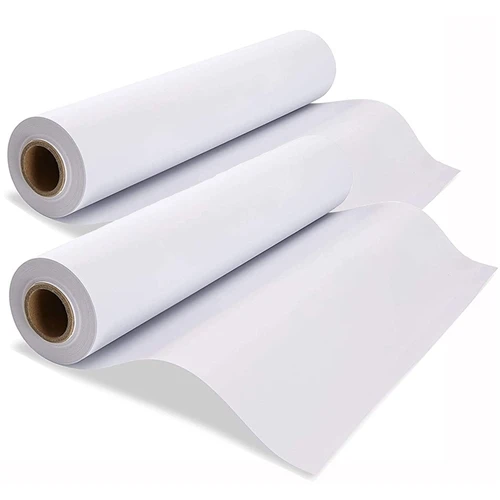
Fast dry sublimation paper has revolutionized the printing industry with its ability to quickly transfer high - quality images onto various substrates. One question that often arises among our customers is whether this type of paper can be used for printing on waterproof fabrics. In this blog, as a fast dry sublimation paper supplier, I will delve into the technical aspects, advantages, challenges, and best practices of using fast dry sublimation paper on waterproof fabrics.
Understanding Fast Dry Sublimation Paper
Fast dry sublimation paper is designed to work in conjunction with sublimation inks. Sublimation is a process where a solid (the ink) turns directly into a gas without passing through the liquid state when heated. The fast - dry feature of the paper allows for rapid drying of the ink after it is printed onto the paper, which is crucial for high - speed printing operations. This type of paper typically comes in different grammages, such as 80gsm Fast Dry Sublimation Paper, 63gsm Fast Dry Sublimation Paper, and 70gsm Fast Dry Sublimation Paper. Each grammage has its own characteristics and is suitable for different applications.
Characteristics of Waterproof Fabrics
Waterproof fabrics are engineered to resist the penetration of water. They are commonly made from materials such as polyester, nylon, or a combination of both, and are often coated with a waterproof layer. These fabrics are widely used in outdoor clothing, tents, and other applications where protection from water is essential. The waterproof coating and the nature of the fabric fibers present unique challenges and opportunities for sublimation printing.
Can Fast Dry Sublimation Paper Be Used for Printing on Waterproof Fabrics?
The short answer is yes, fast dry sublimation paper can be used for printing on waterproof fabrics, but there are several factors to consider.
Compatibility of Fabrics
For sublimation printing to work effectively, the fabric must be made of synthetic fibers, primarily polyester. Most waterproof fabrics are made with a high percentage of polyester, which is ideal for sublimation. The sublimation ink bonds with the polyester molecules when heated, creating a permanent and vibrant image. However, if the waterproof fabric has a very thick or non - porous coating, it may impede the transfer of the sublimation ink from the paper to the fabric.
Printing Process
The printing process on waterproof fabrics using fast dry sublimation paper is similar to that on other polyester - based materials. First, the desired image is printed onto the fast dry sublimation paper using sublimation inks. The paper is then placed in contact with the waterproof fabric, and heat and pressure are applied using a heat press. The heat causes the sublimation ink to turn into a gas, which then penetrates the fabric fibers and bonds with them.


Advantages of Using Fast Dry Sublimation Paper on Waterproof Fabrics
- High - Quality Images: Fast dry sublimation paper can produce sharp, detailed, and vibrant images on waterproof fabrics. The fast - drying feature ensures that the ink does not bleed or smudge during the printing process, resulting in a professional - looking finish.
- Durability: Sublimation printing creates a permanent bond between the ink and the fabric fibers. This means that the printed image will not crack, peel, or fade over time, even when exposed to water, sunlight, or regular wear and tear.
- Customization: Sublimation printing allows for unlimited customization. You can print any design, logo, or pattern on the waterproof fabric, making it ideal for personalized outdoor gear, promotional items, and sports apparel.
Challenges and Solutions
- Coating Interference: As mentioned earlier, a thick or non - porous waterproof coating can prevent the sublimation ink from transferring properly. To overcome this, you may need to pre - treat the fabric or choose a fabric with a more sublimation - friendly coating. Some manufacturers offer waterproof fabrics specifically designed for sublimation printing.
- Color Accuracy: Achieving accurate color reproduction can be challenging, especially on waterproof fabrics with a unique surface texture or color. It is important to calibrate your printer and use color management tools to ensure that the printed colors match the original design as closely as possible.
Best Practices for Printing on Waterproof Fabrics with Fast Dry Sublimation Paper
- Test Prints: Before starting a large - scale printing project, it is recommended to do test prints on a small piece of the waterproof fabric. This will allow you to adjust the printing settings, such as temperature, pressure, and time, to achieve the best results.
- Fabric Preparation: Make sure the waterproof fabric is clean and free of any dirt, oil, or debris. You may also need to iron the fabric to remove any wrinkles before printing.
- Heat Press Settings: The heat press settings are crucial for successful sublimation printing. The temperature, pressure, and time will depend on the type of fabric, the thickness of the paper, and the sublimation ink used. It is best to follow the manufacturer's recommendations for your specific materials.
Conclusion
In conclusion, fast dry sublimation paper can be a great option for printing on waterproof fabrics, offering high - quality, durable, and customizable printing solutions. However, it is important to understand the compatibility of the fabric, the printing process, and the potential challenges involved. By following the best practices and using the right materials, you can achieve excellent results.
If you are interested in purchasing fast dry sublimation paper for your waterproof fabric printing projects, we are here to help. Our team of experts can provide you with detailed information, technical support, and guidance on choosing the right paper and printing settings. Contact us today to start a discussion about your specific needs and explore the possibilities of sublimation printing on waterproof fabrics.
References
- "Sublimation Printing: A Comprehensive Guide" by John Smith, published by Printing Press Inc., 2020.
- "Waterproof Fabrics: Technology and Applications" by Jane Doe, published by Textile Research Institute, 2019.